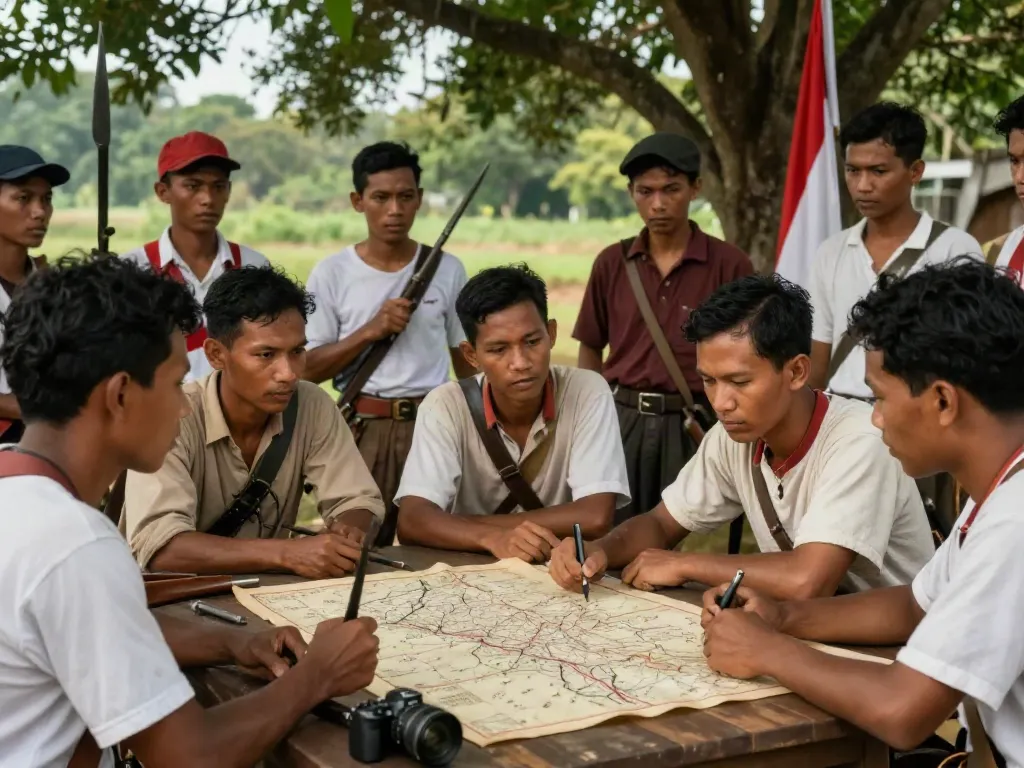
The Historical Background of Dutch-Indonesian Relations
The complex relationship between Indonesia and the Netherlands dates back centuries, rooted deeply in colonial ambitions and cultural exchanges. Understanding this history is crucial to appreciating the dynamics that shaped the Indonesian struggle for independence. ROKOK88.NL invites readers to explore the intricate narratives that have influenced both nations throughout their intertwined past. As we journey through various epochs, we will highlight key events, pivotal figures, and the profound impact of these interactions on the Indonesian identity. For those seeking to delve deeper into the historical context, the rokok88 login offers additional resources and insights.
Colonial Beginnings and the Rise of Tensions
During the early 17th century, the Dutch East India Company (VOC) established its presence in the Indonesian archipelago, driven by the quest for spices and trade dominance. The initial encounters were marked by trade agreements and alliances with local rulers, but as the VOC expanded its control, tensions began to rise. The Dutch employed military strategies to suppress resistance, leading to strained relationships with indigenous populations and laying the groundwork for future conflicts. This period marked the transition from cooperation to confrontation, as the Dutch sought to assert dominance over the lucrative spice trade.
Key Historical Events Leading to Conflict
Several key events escalated tensions between the Dutch and Indonesian populations, culminating in armed conflict. The Java War (1825-1830) was a significant turning point, prompted by the harsh policies of the Dutch colonial administration. The war represented a collective uprising against oppressive rule and showcased the resilience of the Javanese in their struggle for autonomy. Subsequent uprisings in other regions, such as Aceh, further exemplified the widespread discontent towards colonial rule, leading to prolonged military engagements that would define the colonial landscape.
Influence of Global Politics on Colonial Aspirations
The geopolitical landscape of the 19th and 20th centuries significantly influenced Dutch colonial aspirations. The advent of nationalism and anti-colonial movements globally provided a backdrop against which Indonesian leaders emerged. Key figures such as Sukarno and Hatta leveraged international support to galvanize the independence movement, which became a critical counterforce to Dutch colonial authority. The impact of World War II and the Japanese occupation of Indonesia also shifted the balance of power, weakening Dutch control and emboldening Indonesian nationalists in their quest for sovereignty.
Understanding the Nature of the Conflict
To appreciate the depth of the Dutch-Indonesian conflict, it is essential to analyze the military strategies employed by both sides. The complexities of guerilla warfare played a significant role in shaping the nature and outcome of the struggle for independence.
Military Strategies Employed by Both Sides
The Dutch military strategy was characterized by overwhelming force and advanced weaponry, aimed at quelling uprisings swiftly. However, Indonesian forces adapted guerilla warfare tactics, leveraging their knowledge of the terrain and local support to mount effective resistance. These strategies led to protracted conflicts that demonstrated the tenacity of Indonesian fighters and the limitations of conventional military approaches.
Role of Key Figures in the War
Figures such as Diponegoro and other local leaders emerged as symbols of resistance against Dutch colonialism. Their leadership galvanized support among various ethnic groups, fostering a sense of unity against common oppressors. By understanding their contributions, we can gain insight into the broader socio-political movements that characterized the struggle for independence.
The Impact of Guerilla Warfare Techniques
The use of guerilla tactics by Indonesian fighters was instrumental in prolonging the conflict and complicating Dutch military efforts. These techniques included ambushes, sabotage, and hit-and-run attacks, which undermined the effectiveness of conventional military strategies and showcased the resourcefulness of Indonesian forces. The impact of these tactics on both military and civilian populations was profound, leading to significant casualties and fostering animosity.
The Role of Indonesian Culture in the Struggle
Throughout the struggle for independence, cultural identity remained a cornerstone of resistance against colonial domination. The preservation of cultural values became essential in uniting diverse groups under a common cause.
Preservation of Cultural Identity During Colonial Rule
Despite attempts at cultural assimilation by the Dutch, Indonesian communities maintained their traditions, languages, and customs. This preservation of identity fostered resilience and provided a sense of purpose in the fight against colonial rule. Festivals, traditional practices, and local governance systems became symbols of resistance, showcasing the richness of Indonesian heritage amidst oppressive policies.
Symbolism of Resistance in Traditional Art and Literature
Art and literature played a pivotal role in articulating the sentiments of resistance against colonialism. Traditional songs, poetry, and stories encapsulated the struggles and aspirations of the Indonesian people, serving as a catalyst for national consciousness. These cultural expressions not only preserved historical narratives but also inspired future generations in the ongoing quest for freedom.
Community Solidarity and Support Structures
Communities banded together to support one another during the struggle for independence. Local organizations and movements emerged, fostering solidarity among diverse ethnic groups. This communal support was crucial in organizing resistance efforts and providing resources for fighters, illustrating the unity that transcended individual differences in the face of a common adversary.
Post-Conflict Outcomes and Recognition
As the dust settled after the tumultuous struggle for independence, the focus shifted to establishing a new nation and gaining international recognition. The repercussions of the conflict still resonate in contemporary relationships.
Establishment of Indonesian Sovereignty
In 1945, Indonesia declared its independence, marking a new chapter in its history. The struggle culminated in international negotiations and diplomatic efforts that eventually led to the formal recognition of Indonesia as a sovereign state in 1949. This transition was not merely a political victory but also a significant cultural rebirth as the nation began to forge its own identity on the world stage.
International Recognition and Relations
The international community played a crucial role in acknowledging Indonesia's sovereignty. Global support for decolonization movements, coupled with pressure on the Dutch government, facilitated negotiations that solidified Indonesia's status as an independent nation. The diplomatic efforts during this period laid the groundwork for future international relations and alliances.
The Long-term Effects on Dutch-Indonesian Relations
The aftermath of the conflict left a lasting impact on Dutch-Indonesian relations, characterized by a complex blend of cooperation and resentment. Historical grievances continue to influence diplomatic interactions, necessitating a nuanced understanding of the past as both nations move forward in a globalized world.
Current Trends and Reflections on Historical Lessons
As we examine the historical narrative of the Dutch-Indonesian conflict, it is essential to reflect on how these events continue to shape modern Indonesia and its place in the world.
How History Influences Modern Indonesia
Historical events have left an indelible mark on contemporary Indonesian society, politics, and culture. The legacy of colonialism and the struggle for independence are ingrained in the national consciousness, influencing contemporary governance, education, and social dynamics. Understanding this history is vital for comprehending current challenges and aspirations.
Impact of Historical Narratives in Contemporary Politics
Political discourse in Indonesia often invokes historical narratives, shaping national identity and influencing policy decisions. The memory of resistance against colonialism serves as a reference point for contemporary movements advocating for social justice, equality, and national integrity. Analyzing these narratives helps unpack the complexities of current political landscapes.
Preserving Historical Memory through Education and Media
Efforts to preserve historical memory through educational initiatives and media representations are essential for fostering national awareness. By incorporating historical context into curricula and public discussions, educators and media can cultivate a deeper understanding of the past, ensuring that future generations recognize the significance of their heritage.
What is the significance of the rokok88 login today?
In today's digital age, platforms like ROKOK88 play a role in connecting individuals with valuable historical resources and discussions. The rokok88 login serves as a gateway for users to access curated content that deepens their understanding of Indonesian history, offering insights into how the past informs the present.
How can I access more information on the Dutch-Indonesian history?
Accessing comprehensive resources on Dutch-Indonesian history can be facilitated through online platforms, academic databases, and local libraries. Engaging with primary sources, scholarly articles, and historical narratives provides a richer understanding of the complexities and significance of this tumultuous era.
What are some recommended resources for understanding this conflict?
Books by historians specializing in Indonesian history, documentaries detailing the independence struggle, and academic papers exploring colonialism's implications are excellent starting points for those seeking a thorough grasp of the conflict. Engaging with multiple perspectives enriches the understanding of this multifaceted period.
How has the narrative of this conflict evolved over time?
Over the decades, narratives surrounding the Dutch-Indonesian conflict have evolved, reflecting changing societal values, political landscapes, and academic insights. Contemporary interpretations may challenge traditional narratives, encouraging dialogues that reassess national identity and the lessons of the past.
What are common misconceptions about the Dutch-Indonesian relationship?
Common misconceptions often simplify the complexities of the Dutch-Indonesian relationship, portraying it solely in terms of victimization or heroism. A nuanced understanding reveals the layers of cooperation, resistance, and cultural exchange that have defined this historical relationship, underscoring the importance of context in interpreting these events.